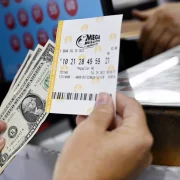
Betting

The Subtle Art of Betting: A Candid Exploration of Risk, Reward, and Responsibility

Introduction: Beyond the Stereotypes

Betting is a word that sparks a spectrum of emotions—thrill, suspicion, ambition, and, for some, a hint of moral conflict. While it has often been painted with broad strokes of scandal and ruin, betting is, in its essence, a reflection of human nature’s timeless romance with risk and reward. From the buzzing energy of racetracks to the hushed tension at high-stakes poker tables, betting is more than reckless chance—it’s strategy, psychology, and, at times, a calculated dance with fate.

The Evolution of Betting: From Taverns to Tablets

Betting is far from a modern vice; its roots stretch back centuries. Wagers on gladiatorial games, horse racing in 18th-century England, and the timeless roll of dice in smoky taverns have all laid the groundwork for today’s sprawling betting industry. The digital age has pushed this age-old pastime to new frontiers. Now, one can wager on almost anything—sports scores, political elections, reality show outcomes—without ever stepping foot outside. With a smartphone in hand, the global betting market, estimated to exceed half a trillion dollars annually, is always within reach.

The Psychology of a Bet: Why We Risk

What makes betting so irresistible? At its core, it taps into primal impulses that evolution has etched into us—the thrill of the hunt, the dopamine rush of anticipation, the allure of a big win that could change everything overnight. Some bet for entertainment, some for profit, and others for the simple adrenaline surge it delivers. It’s a dance with uncertainty, a game where probability collides with gut feeling and human fallibility.

Forms of Betting: A Diverse Landscape

Betting isn’t confined to the neon lights of casinos or the bustling crowds at racetracks. Its forms are as diverse as its participants.

  • Sports Betting: The most popular globally, from placing stakes on football matches to cricket, boxing, or horse racing.

  • Casino Betting: Games like blackjack, roulette, and slots thrive on chance, strategy, and sometimes, pure luck.

  • Online Betting: Virtual sportsbooks, live poker rooms, and e-sports wagering have transformed the industry.

  • Informal Betting: Friendly wagers among friends or colleagues—whether it’s who’ll pick up the next round or who’ll win the office fantasy league.

Risks and Rewards: The Thin Line

To romanticize betting without acknowledging its perils would be disingenuous. The line between harmless fun and harmful addiction can be painfully thin. Stories abound of fortunes lost, families torn apart, and lives derailed by unchecked gambling habits. Compulsive betting is recognized as a behavioral addiction by medical professionals, with consequences that mirror those of substance abuse—financial ruin, strained relationships, mental health crises.

Yet, for the responsible bettor, gambling can remain an engaging form of entertainment, a social pastime, or even a profitable venture for the skilled few who treat it with disciplined strategy and restraint.

Keys to Betting Responsibly

The challenge lies in balance. Here are principles that seasoned bettors often swear by to stay grounded:

  • Set a Budget: Only wager what you can comfortably afford to lose.

  • Know the Odds: Understand that the house, or the bookmaker, always retains an edge.

  • Avoid Chasing Losses: Many ruin themselves trying to win back what’s gone.

  • Keep Emotions in Check: Betting under the influence of alcohol or emotional stress is a fast track to poor decisions.

  • Recognize the Signs of Addiction: If betting feels like a compulsion, seek help.

The Allure of the ‘Professional Gambler’

Hollywood and folklore have long romanticized the image of the professional gambler—sophisticated, cunning, always one step ahead of the odds. In reality, very few can make a consistent living from betting. It demands exceptional discipline, mathematical prowess, and a psychological fortitude that few possess. Most ‘pros’ treat it like a business, with rigid risk management and no illusions of guaranteed riches.

The Legal and Ethical Debate

Betting’s legal status varies wildly across the globe. Some nations ban it outright; others embrace it as a significant source of tax revenue. Ethical questions also linger—does legal betting exploit vulnerable populations? Or does it, when regulated well, provide harmless entertainment while funding public services through taxation? These questions rarely yield simple answers.

Betting in the Digital Age: A Double-Edged Sword

The internet has democratized betting like never before. Anyone, anywhere, can place a bet in seconds. While this convenience has broadened access and entertainment, it has also heightened the risk of addiction. Algorithms and targeted ads can lure bettors into a spiral that’s hard to escape. As such, responsible betting apps and tools—such as self-exclusion programs and spending limits—are more crucial than ever.

Conclusion: A Game of Choice

At its best, betting is an age-old social ritual that mirrors our eternal love for chance and risk. At its worst, it can devour the unwary. Like many pleasures in life—fine wine, rich food, social media—moderation is key. In a world where instant gratification is just a click away, the true art of betting lies not in knowing when to play, but when to stop.

In the end, the wager is not just on cards, horses, or scores—it’s on one’s self-control and judgment. Bet wisely, and you might gain not just profit, but insight into the curious nature of risk and human desire. Wager carelessly, and you may pay the highest price of all: the loss of control.

May your bets be few, your risks measured, and your rewards—however modest—sweet enough to savor without regret.

What is your reaction?

Excited
0
Happy
0
In Love
0
Not Sure
0
Silly
0

You may also like

Comments are closed.

More in:Betting