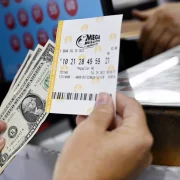
Betting

The Art and Allure of Betting: Risk, Reward, and the Human Psyche

Introduction: More Than Just a Wager

Betting has endured for centuries, weaving itself into the fabric of human history like an ever-evolving narrative of risk and reward. From ancient dice games to sophisticated digital sportsbooks, the essence remains unchanged: staking something valuable on an uncertain outcome. Yet, beyond its financial implications, betting reveals something profound about human nature—our unquenchable thirst for thrill, our belief in luck, and our complicated relationship with risk.

A Brief History: From Dice to Digital

Long before neon casinos and online platforms, early civilizations engaged in primitive forms of betting. Ancient Greeks and Romans placed wagers on chariot races and gladiatorial combat. Dice-like objects carved from bones have been unearthed from archaeological sites, proving that our ancestors relished games of chance as much as we do today.

The modern betting industry began to crystallize in the 18th century when organized horse racing took off in England. Bookmakers emerged, odds were formalized, and betting became not just entertainment but a thriving business. Fast forward to the 21st century, and the industry has migrated online, with punters placing bets on everything from football matches to presidential elections, all with a swipe of a finger.

Why We Bet: The Psychology Behind the Gamble

At its core, betting is not merely about money—it’s about emotion and human psychology. Researchers argue that betting activates the brain’s reward system, releasing dopamine in anticipation of a win. This chemical rush explains why even the near-miss can keep a gambler hooked.

Several psychological factors underpin the allure of betting:

  • The Thrill of Uncertainty: Humans are drawn to unpredictability; the uncertain outcome fuels adrenaline.

  • Illusion of Control: Many believe they possess special insight, skills, or systems to beat the odds, even when luck is the dominant force.

  • Social Connection: Betting often involves camaraderie—sports fans huddled around a TV, casino-goers at the same roulette table, or friends exchanging wagers on a golf game.

  • Escapism: For some, betting provides a mental break from routine life, offering the tantalizing hope of sudden fortune.

The Modern Landscape: Betting in the Digital Age

Today, the global betting industry is worth hundreds of billions of dollars annually. Online sportsbooks, betting exchanges, and mobile apps have democratized betting, making it accessible to virtually anyone with an internet connection.

The appeal of online betting lies in its convenience and diversity. Bettors can wager in-play, predicting what happens minute by minute during a match. Novelty bets—wagers on everything from reality TV outcomes to weather forecasts—add a quirky twist. Esports betting has also surged, pulling younger audiences into the fold.

However, the digital revolution has not come without consequences. The ease of online betting can blur the line between recreation and problem gambling. Regulators worldwide grapple with balancing industry growth and consumer protection.

Responsible Betting: A Delicate Balance

While betting can be an enjoyable pastime for many, it can become a destructive habit for some. A responsible betting culture promotes moderation and awareness.

Key principles for responsible betting include:

  • Set Limits: Establish clear spending limits and stick to them, regardless of winning or losing streaks.

  • Stay Informed: Understand the odds and the risks involved; there is no guaranteed system to win.

  • Time Management: Treat betting as entertainment, not a livelihood.

  • Seek Help: If betting begins to impact relationships, finances, or mental health, professional help is vital.

Many betting companies now incorporate tools to help punters manage their habits—deposit limits, self-exclusion options, and reality checks are becoming industry standards.

Betting and Society: The Economic Ripple

It would be naive to dismiss the economic significance of the betting industry. From employment opportunities to taxation revenue, betting can contribute significantly to local and national economies.

Sporting organizations, in particular, benefit from sponsorship deals and partnerships with betting companies, which can help fund grassroots development and major tournaments alike. However, this relationship is not without controversy. Critics argue that the prevalence of betting advertisements, especially during prime-time sports broadcasts, normalizes gambling and exposes young audiences to its risks.

Cultural Perspectives: Stigma and Acceptance

Attitudes toward betting vary dramatically across cultures. In some societies, betting is woven into everyday leisure, embraced openly and regulated responsibly. In others, it remains taboo or outright illegal, forcing it underground where regulation and consumer protection are absent.

Religious and ethical viewpoints add further layers. While some faiths condemn gambling outright, others tolerate modest, recreational betting. Ultimately, societal norms shape how betting is perceived, policed, and practiced.

The Future of Betting: Innovation and Challenges

Looking ahead, the betting industry stands at a crossroads of innovation and ethical responsibility. Advances in artificial intelligence, big data, and virtual reality are poised to transform how bets are placed, calculated, and settled.

Emerging trends include:

  • Cryptocurrency Betting: Digital currencies offer anonymity and speed but pose regulatory headaches.

  • Micro-Betting: Minute-by-minute bets on real-time events within games.

  • Personalized Odds: AI-driven customization tailoring betting experiences to individual users.

Yet, with innovation comes the challenge of ensuring fairness, security, and responsible play. Regulators must keep pace with technology to protect consumers in an increasingly digital realm.

Conclusion: A Reflection on Risk and Reward

Betting, in its many forms, is a mirror reflecting the duality of human nature—our love for risk and our hope for reward. For some, it remains harmless entertainment, a casual flutter on a favorite team. For others, it can spiral into obsession.

Whether placing a small wager among friends or navigating the sophisticated world of online betting, the core truth endures: the outcome is never certain. It is this uncertainty—this dance with fate—that gives betting its timeless allure. To bet wisely is to understand not just the odds but oneself.

What is your reaction?

Excited
0
Happy
0
In Love
0
Not Sure
0
Silly
0

You may also like

Comments are closed.

More in:Betting