
 By Bruno Lionel
Introduction: A Game Beyond the Cards
Poker is far more than just a card game. It is a ritual, a performance, a clash of probability and psychology, and for some, even a way of life. From the dimly lit saloons of the American frontier to televised tournaments watched by millions worldwide, poker has evolved into an iconic contest of nerve, wit, and human nature. Unlike games of pure chance, poker invites players to test not only their luck but also their ability to read people, calculate odds, and master the art of strategic deception.
A Brief Journey Through Poker’s Storied Past
Poker’s exact origins remain debated, but most historians trace its roots to a melting pot of card games played in 17th-century Europe and Persia. The modern form took shape in early 19th-century America, where it flourished on Mississippi riverboats and in Western saloons. Poker became the game of gamblers, hustlers, and outlaws—an indelible part of American folklore.
In the 1970s, the World Series of Poker (WSOP) elevated the game from backroom tables to the global stage, transforming poker into a legitimate competitive sport. The internet revolution of the late 1990s sparked an unprecedented boom, making poker accessible to anyone with a computer and a stake to risk.
The Many Faces of Poker
Part of poker’s enduring appeal lies in its adaptability. Over centuries, countless variations have emerged—each with distinct rules and cultural followings.
Texas Hold’em
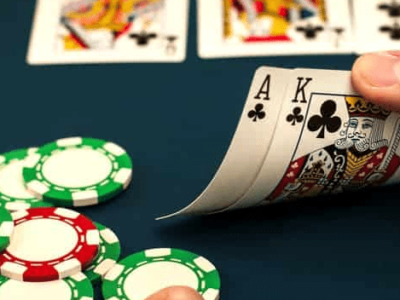
By far the most popular modern variant, Texas Hold’em is the mainstay of the WSOP and online tournaments alike. Its elegant simplicity—each player combines two hole cards with five community cards—masks layers of complexity that can take a lifetime to master.
Omaha
Similar to Hold’em but with four hole cards instead of two, Omaha demands greater calculation and often yields bigger hands, making it a favourite for players who relish action and nuance.
Seven-Card Stud
Once the king of American poker rooms before Hold’em stole the spotlight, Seven-Card Stud remains beloved by purists for its methodical pace and emphasis on memory and observation.
Draw and Mixed Games
Five-Card Draw, the poker of old Western movies, is still played casually. High-stakes players often compete in mixed games like H.O.R.S.E., which rotate through multiple variants to test all-around skill.
The Skill-Chance Spectrum: What Sets Poker Apart
Poker is unique among casino games for its delicate balance between chance and skill. While luck governs the cards dealt, it is human skill that dictates how those cards are played. Over a single hand, luck may rule—but over thousands, a skilled player will almost always prevail.
Key aspects that elevate poker above pure gambling include:
-
Probability and Mathematics: Successful players make calculated decisions rooted in pot odds, expected value, and statistical probabilities.
-
Psychology and Bluffing: Reading opponents, spotting tells, and managing one’s own signals form the psychological chess game at poker’s heart.
-
Risk Management: Bankroll discipline and bet sizing are crucial for long-term survival.
-
Adaptability: No two tables are alike. The best players adjust strategies to the ever-shifting dynamics of their opponents.
The Art of the Bluff: Deception as Strategy
Bluffing is perhaps poker’s most legendary skill. The ability to convince an opponent you hold strength when you do not—or weakness when you do—is what makes poker endlessly compelling. Great players understand that bluffing is not reckless bravado but a carefully timed tactic rooted in probability, table image, and reading the situation.
Successful bluffing hinges on credibility. A player who bluffs too often becomes transparent, while one who never bluffs is too predictable. Mastery lies in choosing the perfect moment—when the pot is worth stealing, when the opponent is likely to fold, and when the story you tell aligns with the action so far.
The Psychological Edge: Reading People
Beyond bluffing, the human element is what separates champions from amateurs. Great poker players become students of behaviour, scanning for subtle clues: nervous tics, betting patterns, voice inflections. They memorise hands played hours ago, piece together tendencies, and exploit psychological weaknesses. In high-stakes tournaments, this battle of wits is as dramatic as any grandmaster chess match.
Poker’s Digital Revolution
Online poker transformed the game forever. What was once confined to smoky backrooms and casino floors now exists in millions of living rooms. The internet made poker democratic, inviting amateurs to test their mettle against pros. Chris Moneymaker’s stunning 2003 WSOP victory—qualifying via an online satellite—ignited a global poker boom and proved that anyone with talent and nerve could join the big leagues.
Online poker has also advanced the game’s strategy. Players now study with software, analyse hand histories, and debate strategy in forums. Entire generations of young players have honed their skills online before stepping into live tournaments.
Poker in Popular Culture
Poker’s mystique extends deep into film and literature. From James Bond’s cool composure at the baccarat table to Paul Newman’s legendary turn in The Sting, poker has become a symbol of suave risk-taking and calculated defiance. Phrases like “all in,” “ace up your sleeve,” and “call your bluff” have entered everyday language, testament to poker’s cultural imprint.
The Ethics and Reality of Poker
Despite its glamour, poker demands respect for its risks. Professional players manage swings of fortune that would crush the unprepared. Many go broke before they ever succeed. For casual players, discipline is vital—poker should be entertainment, not a reckless wager of life savings.
Responsible players:
-
Set a budget: Never play with money you cannot afford to lose.
-
Know when to walk away: Chasing losses is a dangerous path.
-
Treat it as a skill game: Learn, adapt, and play within your limits.
Conclusion: Poker as a Mirror of Life
Poker is more than a card game—it is a microcosm of life itself. It teaches patience, discipline, courage, and humility. It reminds us that sometimes you can do everything right and still lose—or play a bad hand brilliantly and snatch victory from the jaws of defeat.
In a world of uncertainty, poker celebrates the calculated gamble. It rewards those who can weigh risk and reward, read people honestly, and bluff when the stakes demand it. Whether you play for pennies at a kitchen table or for millions under the glare of cameras, poker will always remain one of humanity’s most fascinating dances between chance, skill, and the human spirit.