Card Game

The Enduring Allure of Card Games: From Parlour Pastime to Global Obsession

Introduction: A Deck of Endless Possibilities

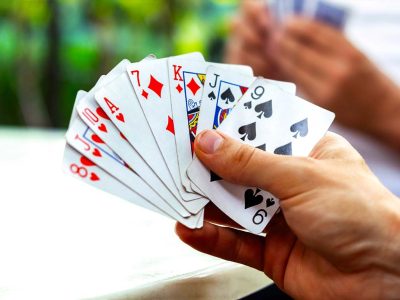
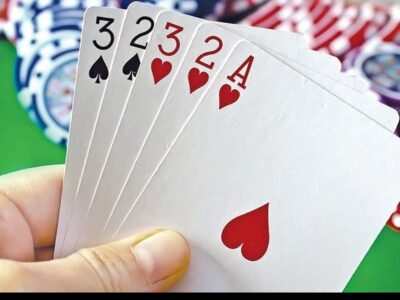
A simple deck of cards—fifty-two pieces of printed paper—holds within it an entire universe of intrigue, competition, and camaraderie. Card games have transcended centuries, cultures, and social classes, evolving from royal courts and candlelit parlours to digital tables with millions of online players. Whether it’s a fierce poker match under the neon glow of Las Vegas or a quiet family game of rummy on a rainy afternoon, the card game remains one of humanity’s most enduring and adaptable forms of play.

A Brief History: Cards Across Cultures

The origin of playing cards is often traced back to 9th-century China, where paper cards were used for games resembling dominoes. From there, the concept travelled along trade routes to Egypt and India, eventually reaching Europe by the 14th century. Cards were once handcrafted luxuries for nobility, decorated with gold leaf and elaborate designs. By the 15th century, thanks to the printing press, they became accessible to the masses.

The French standardised the suits—hearts, clubs, diamonds, and spades—that are now recognised globally. Over time, regional variations and unique games blossomed, from the trick-taking games popular in Europe to the gambling tables of the American frontier.

Why Card Games Endure: A Study in Versatility

Card games endure because they are endlessly adaptable. A single deck can host a solitary meditation in Solitaire, a family gathering over Bridge, or a high-stakes showdown in Texas Hold’em. They demand little more than a deck, a flat surface, and a willingness to engage.

What makes card games so timeless?

  • Accessibility: Anyone can learn the basics of a card game within minutes.

  • Portability: A deck fits in a pocket, ready for travel or downtime.

  • Social Connection: Card games encourage conversation, bluffing, and human interaction.

  • Strategic Depth: Many games blend luck with skill, rewarding mastery without excluding newcomers.

Iconic Card Games: Classics That Stand the Test of Time

Each generation embraces its own favourites, but some games have achieved a near-mythic status.

Poker

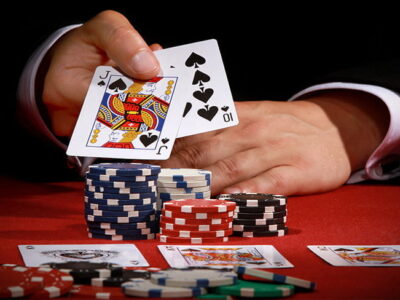
Perhaps the most iconic of all card games, poker is as much about reading people as reading cards. Variants like Texas Hold’em and Omaha dominate casinos and living rooms alike. Its global popularity lies in its balance of chance, skill, and psychology.

Bridge

The quintessential game for partnerships, Bridge demands strategy, memory, and communication. Once the darling of aristocratic parlours, it remains fiercely popular among devoted circles and competitive leagues worldwide.

Blackjack

Synonymous with the casino floor, blackjack pits player against dealer in a quick-fire game of probability. Its simple premise—reach twenty-one without going over—belies a depth of strategy and subtlety that keeps players hooked.

Rummy

Played in myriad forms across cultures, rummy is a family staple in many households. Its straightforward rules and fast pace make it perfect for casual evenings and competitive tournaments alike.

The Social Bond of a Shared Game

Card games have long served as social glue. They bridge generations and cultures, providing an excuse to gather, talk, and share in victory or defeat. In an age of endless digital distractions, a physical deck of cards can feel refreshingly tactile—a reminder of simpler pleasures.

Many families pass down card games as traditions. Grandparents teach grandchildren how to shuffle, deal, and keep a poker face. Friends reunite around a game of Spades or Hearts, forging memories that linger long after the final hand.

The Psychology of Play: Luck, Bluffing, and Mastery

What makes card games so captivating is the delicate dance between chance and control. A novice can win with a lucky hand, but a seasoned player learns to read opponents, count cards, and manage risk.

Bluffing is an art unto itself. In poker, a weak hand can become a winning play through sheer nerve and clever deception. Players learn to mask their emotions, maintain a calm exterior, and read subtle cues from their rivals.

The best card players are students of probability, psychology, and human behaviour. This mix of skills explains why card games have fascinated mathematicians, philosophers, and gamblers alike.

Card Games in the Digital Age

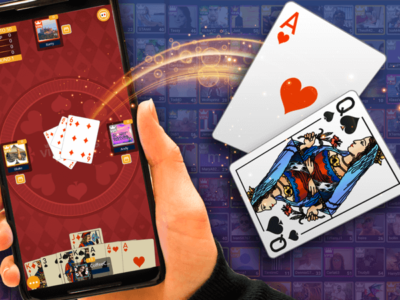
Far from fading away, card games have found fresh life online. Millions now play poker, blackjack, and collectible card games through apps and virtual tables. Live-streamed tournaments attract huge audiences, with top players earning fame and fortune in equal measure.

Online platforms have made card games more accessible than ever, allowing people to play with friends or strangers around the world. While some mourn the loss of face-to-face interaction, others celebrate the way technology has broadened the community.

A Few Tips for Mastering Your Game

Whether you’re shuffling a deck for the first time or honing your strategy for the hundredth, a few timeless principles apply:

  • Learn the Rules: Master the basics before exploring advanced tactics.

  • Practice Patience: Many games reward those who know when to hold back and when to strike.

  • Read the Room: Pay attention to your opponents’ behaviour and habits.

  • Manage Your Bankroll: If playing for money, set limits and stick to them.

  • Enjoy the Moment: Card games are about fun, conversation, and shared experience.

Conclusion: Cards as Cultural Legacy

In a world that constantly changes, card games remain delightfully constant. They remind us that entertainment need not be complicated to be profound. With nothing more than a shuffled deck and a circle of friends, card games offer escape, challenge, and a test of wits that has outlasted centuries.

So the next time you cut the deck and deal a hand, remember: you’re not just playing a game. You’re taking part in a timeless ritual—a dance of luck, logic, and laughter that has delighted players for generations and will continue to do so for many more to come.

What is your reaction?

Excited
0
Happy
0
In Love
0
Not Sure
0
Silly
0

You may also like

Comments are closed.

More in:Card Game