Lottery

The Lottery Paradox: Chasing Fortune, Courting Fate, and the Cost of a Dream

Introduction: The Allure of a Ticket

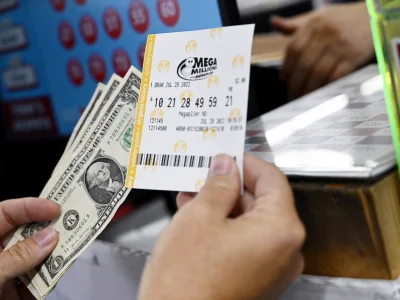
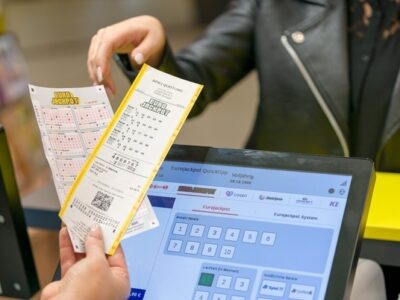
Few things in life ignite such a curious blend of hope, fantasy, and folly as the lottery. With the simple purchase of a numbered ticket, millions of people around the world willingly step into an improbable dance with destiny. Whether it’s the glow of neon signs at a corner store, the hush of televised drawings, or the fevered excitement of record-breaking jackpots, the lottery has secured its place as one of the world’s most enduring and paradoxical games of chance.

A Brief History: Ancient Dreams of Instant Riches

Lotteries are far from a modern invention. Their roots reach deep into human history, echoing our timeless fascination with luck. The earliest recorded lotteries date back to ancient China, where the Han Dynasty reportedly used a keno-like system to finance monumental projects like the Great Wall. In Renaissance Europe, public lotteries helped fund universities, roads, and cathedrals—rare moments when gambling served the common good.

The modern lottery emerged in the 20th century, transforming from clandestine number games and raffles into state-regulated enterprises promising life-changing sums to everyday dreamers.

The Mechanics: A Simple Game of Numbers

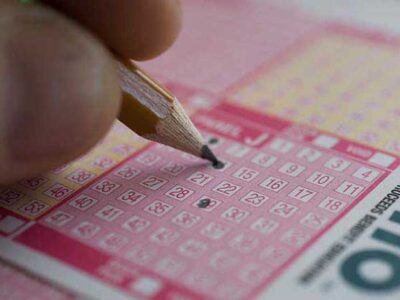
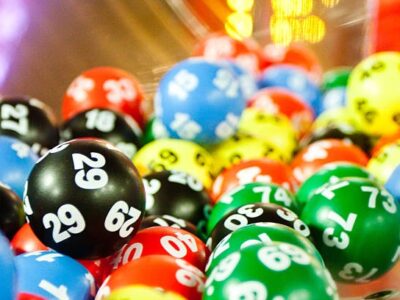
At its core, the lottery is disarmingly simple. A set of numbers is drawn at random, and matching them—completely or partially—dictates your fate. Different cultures offer variations, from scratch-off instant wins to elaborate multi-state draws boasting prizes that sometimes swell into billions.

This simplicity is its genius. A lottery ticket requires no skill, no strategy, no prior knowledge—only hope and a willingness to part with a few coins for the fleeting thrill of “what if?”

The Psychology of the Lottery: Hope on Sale

Why do people flock to play a game with odds so staggeringly slim that you’re more likely to be struck by lightning—twice—than win the biggest prize? The answer lies in the lottery’s mastery of human psychology.

  • Escapism: For a small moment, a ticket buys freedom from the grind. It fuels daydreams of debt-free living, faraway holidays, and generous philanthropy.

  • Perceived Value: The low cost feels insignificant compared to the dream it represents.

  • The Near Miss: Studies show that a near-win—matching some numbers—actually motivates players to try again, convinced that fortune is circling closer.

  • Community Ritual: Office pools, family syndicates, and neighbourhood draws turn the lottery into a shared social ritual, a communal shot at a collective miracle.

The Harsh Mathematics: The House Always Wins

It is easy to romanticise the lottery, but its arithmetic is blunt. Lotteries are, by design, a lucrative business for the states and governments that run them. A significant portion of ticket sales funds administrative costs, retailers’ commissions, and hefty taxes—only a slice makes its way back into the prize pool.

In the US, for example, the odds of hitting a Powerball jackpot hover around 1 in 292 million. And yet, billions of dollars are spent annually on tickets. The reason is clear: logic and probability dissolve under the allure of instant wealth.

Stories of Fortune: Triumph and Tragedy

Lottery folklore is peppered with tales that fuel its mystique. We hear of ordinary shopkeepers who became overnight millionaires, retirees who bought a single ticket that changed their twilight years forever. These stories keep the collective fantasy alive.

Yet, the darker side is equally compelling. Studies suggest a surprising number of jackpot winners struggle with financial mismanagement, broken relationships, and even bankruptcy. The sudden windfall can dismantle lives unprepared for its consequences.

Good or Bad for Society? The Lottery Debate

Lotteries are often pitched as harmless entertainment or a “voluntary tax.” Indeed, in many countries, proceeds fund public education, infrastructure, or social welfare programs. For cash-strapped governments, the lottery is an appealing source of revenue that does not provoke the backlash of traditional taxation.

Critics, however, argue that lotteries disproportionately draw funds from those least able to afford the loss. The dream of instant wealth can prey on low-income communities, turning hope into a regressive drain on household finances.

Responsible Play: A Wager, Not a Plan

Approached with moderation, the lottery can be what it claims to be: harmless fun, a tiny ticket to an improbable fantasy. Problems arise when the dream supplants financial prudence.

A few guiding principles can help keep the odds—and one’s expectations—in perspective:

  • Set Limits: Decide what you can afford to lose and stick to it.

  • Avoid ‘Systems’: No system can beat random chance.

  • Never Borrow to Play: The moment you fund tickets with money you don’t have, the dream has turned against you.

  • Don’t Make It a Habit: A ticket bought occasionally is a thrill; a weekly compulsion is a risk.

Why We Keep Playing: The Eternal Hope

Despite logic, criticism, and cautionary tales, the lottery persists—and thrives. Its longevity is not due to false promises, but to the deeply human hunger for hope. In a world that often feels predetermined by circumstance or privilege, the lottery holds out the tantalising promise that fate can still be flipped by a single stroke of luck.

Conclusion: More Than Just Numbers

In the end, the lottery is less about winning and more about what it represents—a sliver of possibility that life can change overnight. It is hope crystallised on a slip of paper. For some, that hope is worth far more than the few dollars it costs to play.

So next time you hold a ticket in your hand, savour the dream it holds, but remember the truth it conceals: the odds are relentless, but the fantasy is yours to keep—just don’t stake more on it than you can afford to lose. Because the real gamble is not on the numbers drawn, but on whether we remember that, more often than not, the lottery’s greatest prize is the daydream itself.

What is your reaction?

Excited
0
Happy
0
In Love
0
Not Sure
0
Silly
0

You may also like

Comments are closed.

More in:Lottery