
 By Bruno Lionel
Slot machines have served as the undisputed crown jewels of casino floors for more than a century. From the mechanical contraptions clanking away in nineteenth-century saloons to the glowing touchscreens lighting up modern digital platforms, the fundamental concept of spinning reels for a chance at a payout has remained universally compelling. Yet, the evolution of slot design has created a vast chasm between traditional games and contemporary offerings. Understanding the distinct differences between classic three-reel slots and modern multi-line video slots reveals how mechanical simplicity transformed into cinematic, feature-rich digital entertainment.
The Timeless Appeal of Classic 3-Reel Slots
Classic three-reel slots are a direct homage to the original mechanical slot machines invented during the dawn of modern gaming. These games are defined by their straightforward layout, featuring three vertical spinning columns and a limited number of paylines, often just a single horizontal line running directly across the center of the screen.
The symbols adorning these reels carry a rich history, featuring iconic images such as polished cherries, shiny bars, lucky sevens, and ringing bells. The gameplay mechanics require virtually no learning curve. A player inserts a coin or selects a stake, pulls a physical lever or clicks a spin button, and waits to see if matching symbols align on the payline. This simplicity provides a nostalgic, distraction-free gaming experience that appeals to purists who prefer clear rules and fast-paced rounds without complex bonus rounds or distracting visual effects.
The Rise of Modern Multi-Line Video Slots
In stark contrast to their mechanical ancestors, modern multi-line video slots represent a technological revolution in casino gaming. Transitioning from physical gears to computer screens allowed game developers to throw out the traditional rules of slot design entirely.
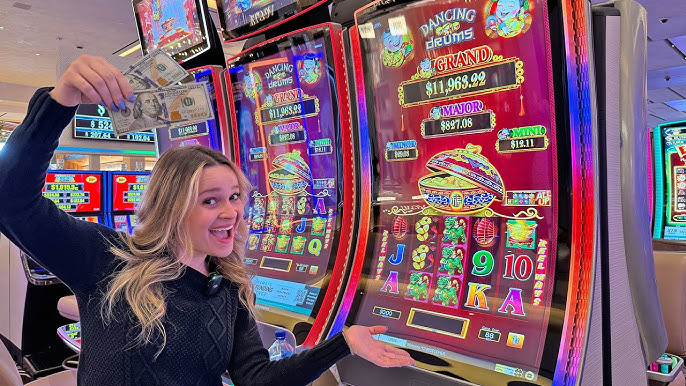
Contemporary video slots frequently feature five, six, or even cascading grid reels with hundreds or thousands of active paylines and winning combination pathways. Instead of basic fruit icons, modern games transport players into immersive narrative worlds driven by high-definition graphics, cinematic soundtracks, and elaborate story arcs. Themes range from ancient mythology and deep space exploration to blockbuster movie franchises and fantasy realms. These games are packed with interactive bonus rounds, free spin sequences, wild symbol multipliers, and progressive jackpots that offer layers of engagement far beyond simple symbol alignment.
Structural and Mechanical Differences
Comparing the underlying mechanics of classic slots versus video slots highlights how vastly different their player experiences truly are.
Paylines and Winning Combinations
Classic slots rely on rigidity. With only one to five paylines, winning requires exact horizontal or diagonal matching across a minimal grid. Modern video slots, by contrast, utilize complex win-ways systems, including megaways engines that change the number of symbols on each reel per spin, creating thousands of potential ways to win on a single wager.
Volatility and Payout Distribution
-
Classic Slots: Typically feature lower volatility, offering smaller and more frequent payouts that help extend a player session on a modest bankroll.
-
Video Slots: Often incorporate higher volatility, featuring drier stretches of spins punctuated by massive payouts triggered during complex bonus features or free spin rounds.
The Psychological Experience of Play
The psychological engagement differs significantly between the two formats. Classic slots appeal to players seeking relaxation, predictability, and a retro aesthetic. The pacing is rapid and rhythmic, allowing individuals to enjoy casual entertainment without cognitive fatigue.
Modern video slots are engineered to stimulate multiple senses. The flashing lights, celebratory audio cues, and frequent mini-games create an intense sensory experience. For players who enjoy active participation through interactive bonus rounds and complex narrative progression, video slots provide a dynamic form of entertainment that mirrors modern video gaming.
Frequently Asked Questions
Do classic 3-reel slots have a higher return-to-player percentage than video slots?
Return-to-player percentages vary widely across individual titles regardless of format, though classic slots often feature simpler math models while video slots balance lower base-game returns with high-value bonus features.
Why do some modern video slots feature cascading reels?
Cascading reels remove winning symbols from the screen after a payout, allowing new symbols to drop into their place and potentially trigger multiple consecutive wins from a single paid spin.
Are classic slots harder to find in modern online casinos?
While online lobbies are heavily dominated by multi-line video slots, almost all digital platforms dedicate specific sections to retro three-reel titles to cater to traditionalist players.
What is a progressive jackpot in modern slot design?
A progressive jackpot is a grand prize pool that increases incrementally every time a player places a wager across a network of linked machines until a lucky participant hits the winning combination.
Do classic slots include wild or scatter symbols?
Most traditional three-reel slots omit special symbols entirely, though some modern variations of classic themes incorporate basic wild substitutes to help complete winning lines.
How do bonus rounds function in multi-line video slots?
Bonus rounds are typically triggered by landing a specific combination of scatter symbols, transporting the player to a separate mini-game screen where unique rules, multipliers, and free spins dictate the payout.